Budget Tracking Methods That Work
Master your monthly finances with proven tracking methods. Whether you prefer digital tools or pen-and-paper systems, discover the approaches that help you monitor spending, identify patterns, and stay accountable to your financial goals.
Why Tracking Your Budget Matters
Many Canadians create a budget but struggle to maintain it because they lack a reliable tracking system. Tracking isn't about restriction—it's about awareness. When you know exactly where your money goes each month, you gain control over your financial destiny.
Effective budget tracking serves three critical purposes: it reveals spending patterns you might not notice, it keeps you accountable to your financial goals, and it provides the data you need to make informed decisions about future spending.
Key Benefits of Consistent Tracking
- Identify areas where you overspend consistently
- Spot opportunities to reduce expenses
- Track progress toward savings goals
- Reduce financial stress through visibility
- Build better spending habits over time
- Prepare for unexpected expenses with confidence

Digital Tracking Methods: Technology at Your Service
Digital budget tracking offers convenience, real-time updates, and automatic categorization of transactions. For tech-savvy Canadians or those who want seamless integration with their banking, digital methods provide powerful advantages.
Banking Apps & Aggregators
Most Canadian banks offer mobile apps that categorize transactions automatically. Apps like Wealthsimple, YNAB (You Need A Budget), and Mint provide comprehensive dashboards where you can view all accounts in one place, set spending limits, and receive alerts when you exceed categories.
Spreadsheet Systems
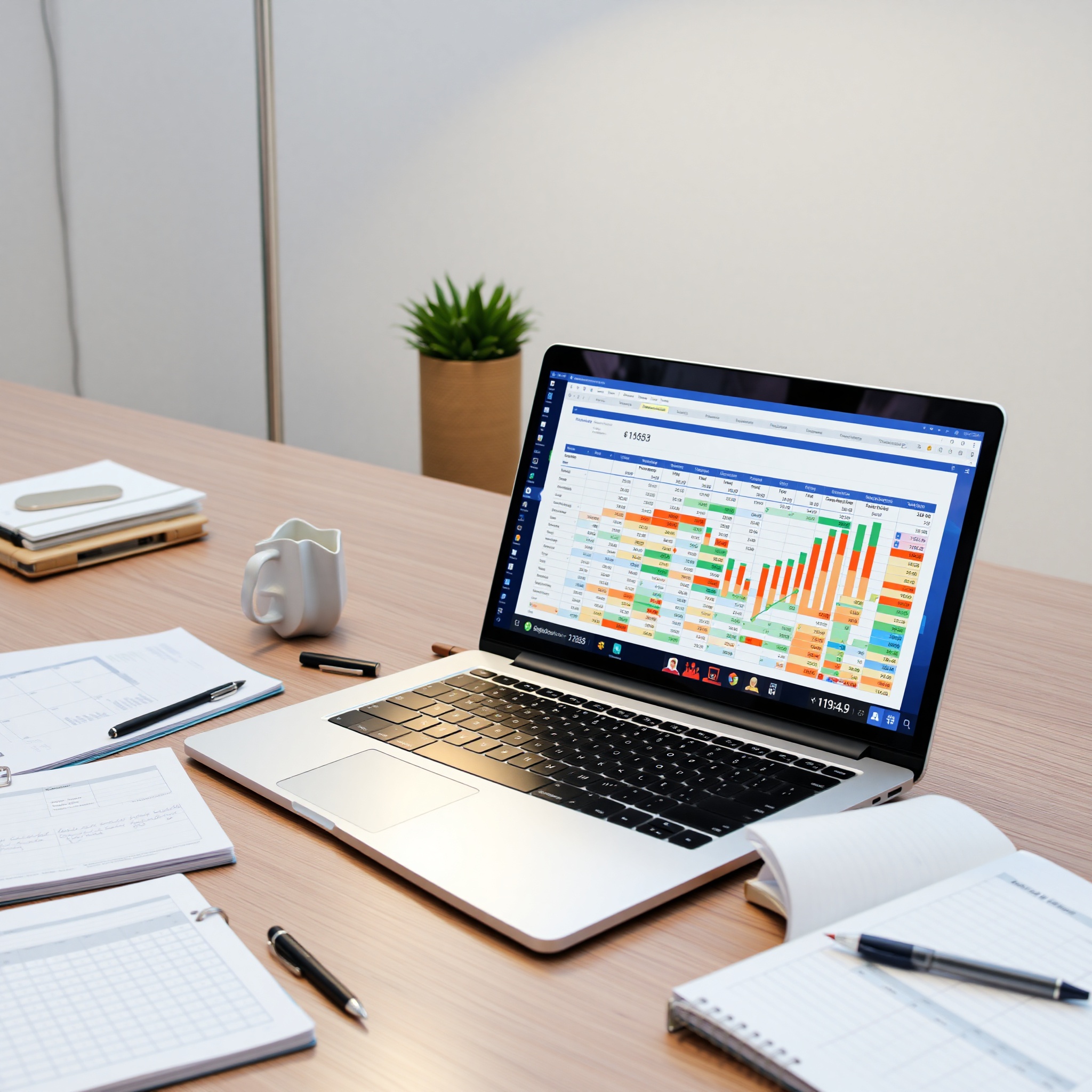
Google Sheets or Excel offer complete customization for budget tracking. Create your own system with formulas that automatically calculate totals, percentages, and variances. This method suits detail-oriented individuals who want full control and don't mind manual data entry.
Automated Bank Connections
Premium budgeting apps connect directly to your Canadian bank accounts, pulling transactions automatically. This eliminates manual entry and ensures real-time accuracy. Services like Simplii or investment platforms with budgeting features offer this integration seamlessly.
Cloud-Based Solutions
Services like Wave or Zoho Books (popular with Canadian small business owners) provide cloud tracking with multiple device access. You can track expenses from anywhere, collaborate with a spouse or partner, and access historical data instantly from your phone or computer.
Digital Tracking Best Practices
Set up automated categorization: Teach your app which merchants belong to which budget categories. This saves time and ensures consistency.
Review weekly, not just monthly: Check your app briefly each week to catch overspending patterns early rather than discovering them at month-end.
Use notifications: Enable alerts when you approach category limits. This real-time feedback keeps you conscious of spending throughout the month.
Analog Tracking Methods: Pen, Paper, and Intentionality
Don't dismiss traditional tracking methods. Many Canadians find that writing down expenses creates deeper awareness and intentionality around spending. The act of physically recording a purchase engages your brain differently than tapping a phone screen.

Popular Analog Approaches
The Ledger Method
Maintain a simple notebook where you record each transaction with date, description, category, and amount. At month-end, sum each category to see where money went. This method forces awareness and helps identify patterns through the physical act of recording.
The Envelope System
Withdraw cash and divide it into envelopes labeled for each spending category (groceries, entertainment, transportation). Once an envelope is empty, you can't spend more in that category. This creates hard limits and prevents overspending through simple visual feedback.
Receipt Tracking
Save all receipts in a folder and categorize them weekly. Use a simple form to record totals by category. This combines analog and digital elements—you use paper receipts but record summaries digitally for trend analysis.
The Calendar Method
Mark significant purchases directly on a wall calendar with brief notes. This visual representation helps you see spending patterns across the month and makes big expenses immediately noticeable at a glance.
Hybrid Methods: Combining Digital and Analog
The most effective tracking system for many people combines the best of both worlds. You might use digital tools for automatic transaction capture while maintaining a simple analog record for mindful spending.
The Smart Spender Approach
Use your bank's app for automatic transaction tracking and monthly category summaries, but maintain a simple notebook where you write down discretionary purchases daily. This hybrid keeps you aware while leveraging technology for the heavy lifting.
The Accountable Planner
Track expenses in a spreadsheet you update weekly, but take photos of receipts as backup. This combines the customization of spreadsheets with the documentation of physical records, perfect for detailed financial review or tax purposes.
The Intentional Tracker
Use the envelope system for discretionary spending but automate fixed expenses like rent and utilities through banking apps. This creates intentionality where it matters most while automating routine payments.
Choosing Your Perfect Method
The best budget tracking method is the one you'll actually use consistently. Consider these factors when deciding:
- Your personality: Are you detail-oriented or prefer simplicity? Naturally digital or more analog?
- Time commitment: How much time can you realistically spend on tracking each week?
- Your banking situation: Do you have multiple accounts or mostly one main account?
- Goal clarity: Are your budget categories clear, or do you need flexibility?
- Review frequency: Will you check weekly or monthly? Choose accordingly.
- Sharing needs: Do you need to share budget data with a partner or financial advisor?
Getting Started: Your First Month of Tracking
Starting a tracking system feels overwhelming, but breaking it into steps makes it manageable. Here's how to implement any method successfully:
Choose One Method
Pick a single approach from the methods above. Commit to it for at least one full month before switching. You need time to see how it works for your lifestyle.
Define Your Categories
List all spending categories relevant to your life: Housing, Food, Transportation, Utilities, Entertainment, Personal Care, Insurance, Debt Repayment, Savings, and any others. Be specific enough to be useful but not so granular you spend hours categorizing.
Set Up Your System
Create your tracking tool—download the app, set up the spreadsheet, buy the notebook. Make it visually appealing so you actually enjoy using it. A tool you like will be used consistently.
Track Every Transaction
For one complete month, record every purchase, no matter how small. This initial data gives you a complete picture of your spending patterns and validates your budget categories.
Review and Adjust
At month-end, analyze your data. Which categories exceeded expectations? Which were lower? Use these insights to refine your budget and adjust your tracking method if needed.
The Power of Consistent Tracking
Budget tracking transforms your relationship with money. It shifts you from passive spending to active decision-making. Whether you choose a sophisticated app, a simple notebook, or a hybrid approach, the key is consistency and honesty about your actual spending.
Start with one method, commit to it for a month, and notice how your awareness changes. Many Canadians report that tracking alone reduces overspending by 10-20% simply because it creates consciousness around purchases. From that foundation of awareness, you can make intentional decisions that align with your financial priorities and values.
Your perfect tracking method isn't about being perfect—it's about being real with yourself about money. Choose the approach that works for your life, implement it consistently, and watch as your financial control increases month after month.
Explore Related Topics