Smart Money Organization Systems
Master the art of organizing your finances across multiple accounts, bills, and savings goals. Discover proven systems that Canadian households use to maintain control over their money throughout the month.
Why Financial Organization Matters
Financial organization is the foundation of successful money management. When your accounts, bills, and savings are properly structured, you gain immediate visibility into your financial situation. This clarity empowers you to make informed decisions, spot overspending patterns quickly, and ensure no bills slip through the cracks.
Without proper organization, money becomes invisible. You might have funds scattered across accounts without knowing where you stand, bills arriving unexpectedly, and savings goals that feel out of reach. A smart organization system transforms this chaos into clarity, giving you peace of mind and control.
- Prevents missed payments: When bills are tracked and scheduled, you never miss a due date
- Reduces financial stress: Knowing exactly where your money is eliminates anxiety
- Accelerates savings: Dedicated accounts make it harder to raid your savings impulsively
- Simplifies tax season: Well-organized records make tax filing faster and easier
Building Your Core Account Structure
The foundation of smart money organization is a clear account structure. Most Canadian households benefit from dividing their finances into three primary account types, each serving a distinct purpose.
Primary Checking Account
This is your main hub where income deposits and regular bill payments occur. Keep this account relatively lean by transferring surplus funds to other accounts monthly. Set up automatic transfers on payday to maintain discipline.
Dedicated Savings Account
Separate your savings from spending temptation. Choose a high-interest savings account with a different bank if possible. Automate monthly transfers to ensure consistent progress toward your financial goals.
Emergency Reserve Account
This account holds your safety net—typically 3-6 months of living expenses. Keep it separate and slightly hidden to resist the urge to tap into it for non-emergencies. Consider a locked savings account with withdrawal penalties.
Some households also maintain a fourth account for specific goals like vacations or home improvements. The key is avoiding decision fatigue—limit yourself to what you can realistically manage.
Smart Bill Management Strategy
Bills are the most organized part of your finances. They have fixed amounts (usually), known due dates, and consequences for missing them. A smart system uses this predictability to your advantage.
Consolidate Your Bill Calendar
Create a master list of all recurring bills with their due dates. Many households spread bills throughout the month intentionally—align payments with your payday for optimal cash flow. Some bills offer discounts for early payment; negotiate these benefits.
Automate What You Can
Set up automatic payments for fixed-amount bills like insurance and utilities. This eliminates the risk of human error and frees mental energy for discretionary spending decisions. Keep flexible bills (groceries, dining) manual to maintain awareness.
Track and Review Monthly
Spend 15 minutes each month reviewing bills for unauthorized charges or price increases. Phone, internet, and insurance companies often raise rates quietly. Annual reviews can save hundreds of dollars.

Organizing Savings Goals Effectively
Savings feel abstract without structure. The most successful savers use multiple dedicated accounts, each linked to a specific goal. This "bucket method" transforms savings from a vague concept into concrete, trackable progress.
Short-Term Goals (3-12 months)
Vacation funds, car repairs, or holiday spending. Keep these in easily accessible accounts since you'll need the money soon. Set up automatic monthly contributions to maintain momentum.
Medium-Term Goals (1-5 years)
Down payments, renovations, or career transitions. Use high-interest savings accounts or GICs that mature near your target date. The distance to your goal allows for slightly more risk.
Long-Term Goals (5+ years)
Retirement, education funds, or property investment. These goals justify more sophisticated vehicles like RRSPs, TFSAs, and investment accounts. Time is your advantage—let compound growth work.
Pro Tip: Use Account Labels
Many Canadian banks allow custom account nicknames. Use them! "Vacation Fund 2025" feels more motivating than "Savings Account 3" and prevents accidental transfers to wrong accounts.
Tools That Support Organization
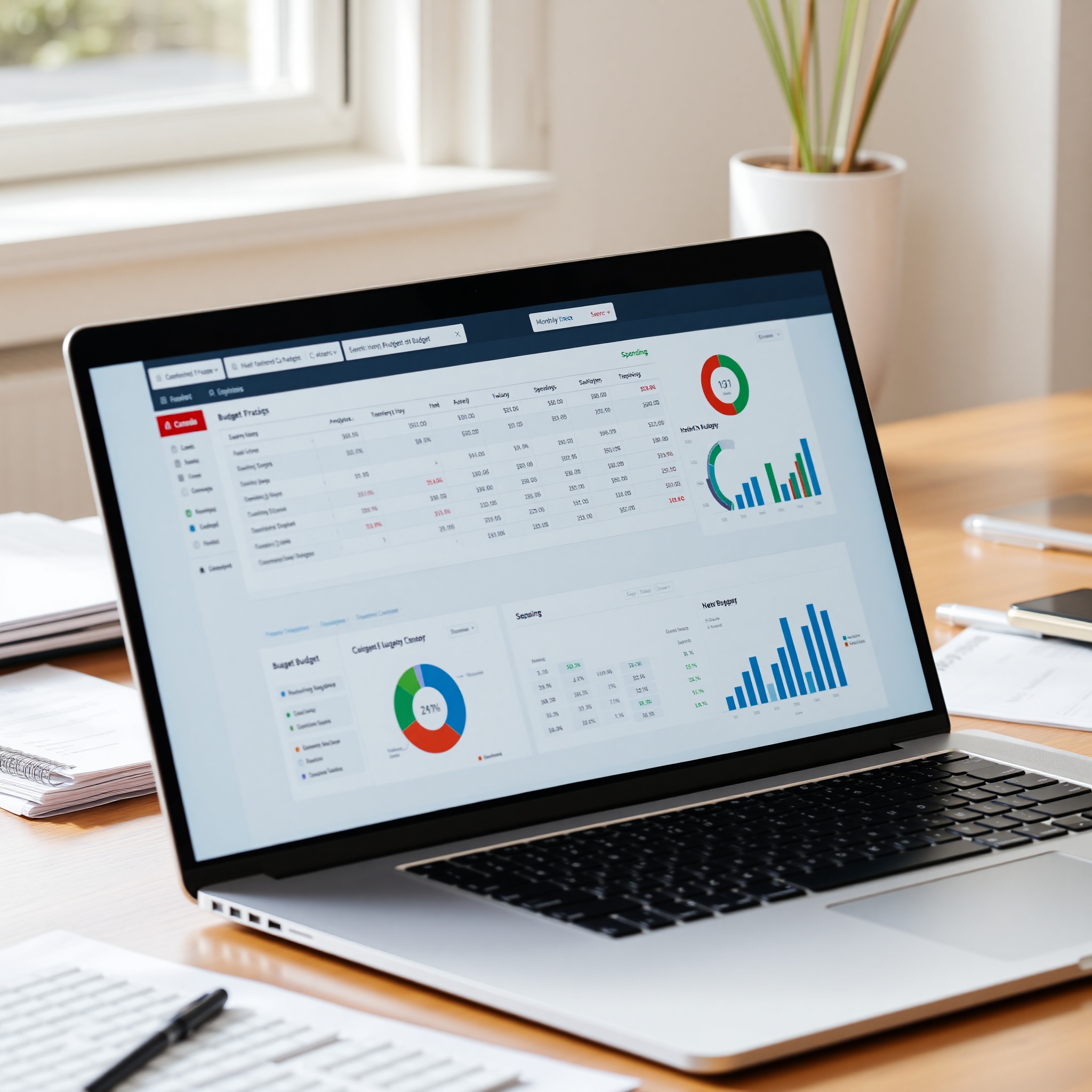
The right tools amplify your organization efforts. While a simple spreadsheet works for many, modern banking apps and budgeting software can automate tracking and provide real-time insights.
Banking Apps
Most Canadian banks offer free apps with categorization, alerts, and multi-account views. Use these to monitor accounts and set spending alerts. Push notifications remind you of upcoming bills.
Spreadsheets
Google Sheets or Excel provide flexibility for custom tracking. Create templates for monthly bill schedules, savings goal progress, and spending summaries. Many find spreadsheets less intimidating than specialized software.
Budgeting Software
Services like YNAB or Mint automate categorization and provide detailed analytics. They sync directly with your bank accounts, reducing manual entry. Ideal if you want comprehensive spending insights.
Calendar Systems
Mark bill due dates and savings milestones in your phone's calendar. Set reminders 3 days before payments. This simple approach prevents missed bills and keeps goals top-of-mind.
Choose tools that match your comfort level and complexity needs. The best system is one you'll actually use consistently. Start simple—you can always upgrade later.
Monthly Review: The Keystone Habit
Organization requires maintenance. Schedule 30 minutes monthly to review your financial structure. This prevents drift and catches problems early.
-
1. Reconcile Accounts
Compare your records against bank statements. Flag any unfamiliar transactions immediately. Most fraud must be reported within 60 days.
-
2. Verify Bill
Payments
Confirm all expected bills posted. Check amounts match previous months. This catches billing errors and price increases.
-
3. Update Savings
Progress
Record current balances for all savings goals. Calculate progress toward targets. Celebrate milestones—this builds motivation.
-
4. Review Spending
Patterns
Analyze discretionary spending by category. Identify unusual expenses. Adjust next month's budget if needed.
-
5. Adjust Automations
Fine-tune automatic transfers based on actual spending. If you consistently underfund savings, increase the automatic amount. If you have excess, redirect it.
Schedule this review for the same day each month—many choose the first business day. Make it a non-negotiable appointment with yourself. This 30-minute investment pays dividends in financial health.
Take Control Today
Smart money organization isn't complicated—it's systematic. By creating dedicated accounts, automating bills, tracking savings goals, and reviewing monthly, you transform your finances from chaotic to controlled. The structure takes just a few hours to set up but pays benefits for years.
Start this week. Choose one element—whether it's opening a dedicated savings account or listing all your bills with due dates. Small actions compound into complete financial organization. Within three months, you'll have a system that runs almost on autopilot while keeping you fully aware of your financial position.
Key Takeaways
- Organize finances across three core account types: checking, savings, and emergency reserves
- Automate bill payments and savings transfers to maintain consistency without effort
- Use dedicated accounts for each savings goal to track progress and resist impulse withdrawals
- Schedule monthly 30-minute reviews to catch problems and celebrate progress
- Choose tools matching your comfort level—simple spreadsheets work as well as complex software